
rTMS

repetitive transcranial magnetic stimulation

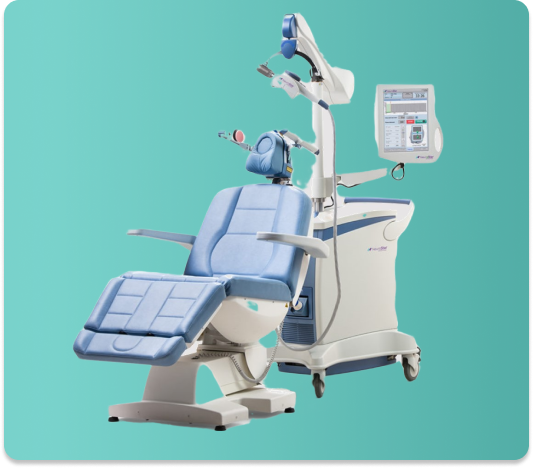
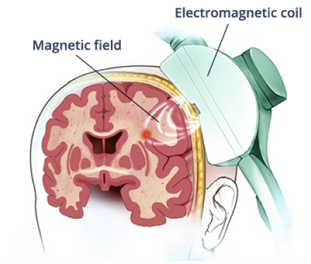
rTMS stands for “repetitive transcranial magnetic stimulation.” rTMS is a non-invasive FDA-cleared medical procedure for the treatment of depression in adults. rTMS is a brain stimulation technique that depends on the generation of brief magnetic fields using an insulated coil that is placed over the scalp.

These magnetic fields are the same type and strength as those used in magnetic resonance imaging (MRI) machines. The magnetic pulses generate a weak electrical impulse in the brain that briefly activates neural circuits at the stimulation site. rTMS has been shown to be a safe and well-tolerated procedure that can be an effective treatment for adult patients with depression who have not benefitted from antidepressant treatment.

How Does it Work ?

During an rTMS session, a magnetic coil is placed against over scalp near your forehead. The magnet painlessly delivers a pulse that stimulates nerve cells in the region of your brain involved in mood control and depression. It’s activates the regions of the brain that have decreased activity depression.

rTMS seems to be particularly most effective for:

  • Major Depressive Disorder

  • Auditory Hallucinations

  • Anxiety Disorders

  • Pain Disorders.

  • In patients with Obsessive Compulsive Disorder, who have been given a full trial of medications, but have not responded well, a trial of rTMS can be given with limited therapeutic benefit or long-term advantage.

How Effective is the rTMS in treating Depression ?

rTMS is used to treat very severe cases of depression, especially those patients who do not adequately respond well to medications, or those in whom high-dose medications are not usually well tolerated.

  • In a study of 1383 patients, active treatment with rTMS was concluded to be better than Sham treatment.
  • In a pooled sample size of 230 patients, 47% of patients achieved >50% reduction in symptoms when rTMS was added to the existing medication regimen.
  • Also, early initiation of rTMS along with medicines seems to be more effective than just prescribing medicines alone.
  • An analysis of 213 patients revealed that when rTMS is combined with medicines, early in the illness, patients are “TWICE MORE” likely to achieve complete resolution of their symptoms, then those who are just on medication alone. (odds ratio 2.4, 95% CI 1.3-4.6) 3

How Effective is the rTMS in treating Depression ?

Headache

Heaviness of Head

Tingling numbness of scalp

Dizziness

All these side effects are self-limiting. Some patients need to consume an over the counter analgesic for the resolution of headache (e.g. Ibuprofen) The most serious side effect with rTMS treatment is the possibility of a seizure occurrence. The probability of a seizure is ~0.01% to 0.1%

What make Thriving Minds Therapy Unique ?

Highly Qualified Experts

Our mental health therapist are qualified and trained to deliver quality care and clinically validated treatment interventions for all kinds of mental health concerns.

Focused confidentiality

Our mental health therapist are qualified and trained to deliver quality care and clinically validated treatment interventions for all kinds of mental health concerns.

Ongoing Monitoring

Our mental health therapist are qualified and trained to deliver quality care and clinically validated treatment interventions for all kinds of mental health concerns.

Thriving Minds experts specialise in treating a variety of conditions

At Thriving Minds, we understand the importance of mental health and well-being. Thus, we believe in empowering our clients to reach their highest potential. Our team of experienced psychiatrist and psychologists are committed to providing the best care.

Edit Template

We’ve helped millions feel better.

At Thriving Minds, we understand the importance of mental health and well-being. Thus, we believe in empowering our clients to reach their highest potential. Our team of experienced psychiatrist and psychologists are committed to providing the best care.

Thriving Minds mental health Resource

At Thriving Minds, we understand the importance of mental health and well-being. Thus, we believe in empowering our clients to reach their highest potential. Our team of experienced psychiatrist and psychologists are committed to providing the best care.

  • All Posts
  • Blog
  • Featured Blogs
Life, Death and Suicide: Addressing the Common Myths
2:13 pm|
September 20, 2024

Suicide is a topic that many people are uncomfortable talking about. Society has always had a morbid fascination with suicide. Though still considered taboo, it's not something we like to talk about or think of often. In the event of suicide, it is difficult for friends and family members …..

ANY
QUESTIONS ?

LOOK HERE

Counseling is a form of talk therapy that encourages people to address the issue they are facing with the eventual goal of overcoming the problem. In counseling, you and your therapist will work together toward ensuring your emotional and mental well-being. Your therapist will use tools to help you navigate any difficult feelings, behaviors, thoughts, or situations that you are experiencing.

Counseling is a form of talk therapy that encourages people to address the issue they are facing with the eventual goal of overcoming the problem. In counseling, you and your therapist will work together toward ensuring your emotional and mental well-being. Your therapist will use tools to help you navigate any difficult feelings, behaviors, thoughts, or situations that you are experiencing.

Counseling is a form of talk therapy that encourages people to address the issue they are facing with the eventual goal of overcoming the problem. In counseling, you and your therapist will work together toward ensuring your emotional and mental well-being. Your therapist will use tools to help you navigate any difficult feelings, behaviors, thoughts, or situations that you are experiencing.

Counseling is a form of talk therapy that encourages people to address the issue they are facing with the eventual goal of overcoming the problem. In counseling, you and your therapist will work together toward ensuring your emotional and mental well-being. Your therapist will use tools to help you navigate any difficult feelings, behaviors, thoughts, or situations that you are experiencing.

Edit Template
Scroll to Top