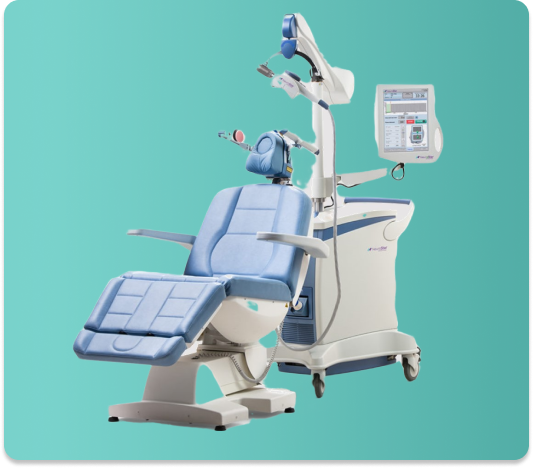

Biofeedback-Assisted Therapy at Thriving Minds Mental Health Centre:

Harnessing the Power of the Mind for Mental Wellness

At Thriving Minds Mental Health Centre, we offer Biofeedback-Assisted Therapy, a pioneering approach to mental health care that empowers patients to gain greater control over their mind and body. Using advanced technology, biofeedback therapy teaches individuals to monitor and manage physiological responses to stress, anxiety, and other mental health conditions. This non-invasive, evidence-based therapy has proven effective across a range of psychiatric and behavioral conditions, providing new hope to patients who may not have found relief through conventional treatments alone.

How Biofeedback Therapy Works?

Biofeedback therapy involves using sensors to measure physiological signals from your body—like heart rate, muscle tension, breathing patterns, and skin temperature. During a biofeedback session:

  • Real-Time Monitoring: Sensors placed on the skin capture physiological signals, which are then displayed on a screen in real-time. For example, when a person feels stressed or anxious, they might see an increase in heart rate or muscle tension.
  • Learning to Self-Regulate: By seeing these changes on the screen, patients learn to recognize how their body responds to stress, anxiety, or other emotions. Over time, they develop techniques to control these responses through relaxation, breathing exercises, and mental focus.
  • Building Mental Resilience: As patients practice these techniques, they gain the ability to calm their mind and body in challenging situations, effectively reducing symptoms associated with conditions like anxiety and depression.

In simple terms, biofeedback therapy helps people learn to control their own physiological responses to stress and emotional triggers, giving them more control over how they feel and react in daily life.

Conditions Treated with Biofeedback Therapy

Biofeedback has been recognized as an effective treatment for numerous mental health and behavioral issues, including:

      • Anxiety Disorders – Reduces physical symptoms like rapid heart rate, muscle tension, and breathing issues associated with anxiety.
      • Depression – Helps alleviate physical tension and stress that often accompany depressive states.
      • Attention-Deficit/Hyperactivity Disorder (ADHD)- Improves focus and concentration, reducing hyperactivity and impulsive behaviors.
      • Post-Traumatic Stress Disorder (PTSD) – Enables patients to manage physiological symptoms triggered by trauma.
      • Chronic Pain – Teaches patients to relax muscle tension and reduce pain perception, benefiting those with fibromyalgia, migraines, and tension headaches.
      • Childhood Behavioural Disorders – Emerging evidence supports biofeedback’s efficacy in treating childhood issues like oppositional defiant disorder, ADHD, and anxiety by helping children self-regulate and improve focus.
      • Biofeedback is also effective for sleep disorders, substance abuse recovery, anger management, and other stress-related issues, making it a versatile tool in mental health treatment.

Why choose Biofeedback? Importance as an Augmentative Therapy

Biofeedback offers unique advantages when combined with traditional therapies. Here’s why it’s a powerful addition to any treatment plan:

  • Accelerates Recovery: Biofeedback gives patients immediate insight into their body’s reactions, speeding up the learning process and allowing them to practice self-regulation faster. This accelerates recovery, especially when paired with therapy techniques like CBT (Cognitive Behavioral Therapy).
  • Reduces Need for Medication: By helping patients gain natural control over symptoms, biofeedback often reduces the need for medication, lowering the risk of side effects and dependence.
  • Greater Control Over Symptoms: Biofeedback gives patients direct control over symptoms like anxiety, irritability, or tension without relying solely on medication or external interventions.
  • Non-Invasive and Safe: Biofeedback is non-invasive, safe, and doesn’t have the potential side effects that medications may bring, making it suitable for a wide range of individuals, including those looking to avoid pharmaceutical treatments.
  • Superior to Conventional Measures: While talk therapy (CBT/DBT) addresses thoughts and emotions, biofeedback targets the physiological symptoms that often accompany mental health issues, making it a comprehensive, dual-approach method to support mental wellness.


Myths and Facts About Biofeedback Therapy

Biofeedback therapy, although effective, is sometimes misunderstood. Here are some common myths and the facts :
  • Myth 1: Biofeedback is only for stress management.
  • Fact: While biofeedback is effective for stress, it is also used to treat anxiety, depression, ADHD, PTSD, and chronic pain.
  • Myth 2: Biofeedback requires high-tech devices.
  • Fact: Biofeedback systems use simple, user-friendly devices that accurately track physiological signals in a non-invasive way.
  • Myth 3: Results are not long-lasting.
  • Fact: With consistent practice, patients learn to self-regulate their responses, leading to long-term symptom control.
  • Myth 4: Biofeedback is a new, experimental treatment.
  • Fact: Biofeedback has been around for decades and is backed by extensive research showing its effectiveness in mental health treatment.
  • Myth 5: Biofeedback is a “one-size-fits-all” solution.
  • Fact: Biofeedback is tailored to each individual, focusing on specific symptoms or issues they wish to address, making it highly customizable.

What make Thriving Minds Therapy Unique ?

Highly Qualified Experts

Our mental health therapist are qualified and trained to deliver quality care and clinically validated treatment interventions for all kinds of mental health concerns.

Focused confidentiality

Our mental health therapist are qualified and trained to deliver quality care and clinically validated treatment interventions for all kinds of mental health concerns.

Ongoing Monitoring

Our mental health therapist are qualified and trained to deliver quality care and clinically validated treatment interventions for all kinds of mental health concerns.

What could be it’s Possible Side Effects?

Biofeedback is generally considered safe and non-invasive, with few, if any, side effects. However, some patients may initially feel uncomfortable observing and managing their physiological responses. Over time, this discomfort fades as they become familiar with the process.

Why opt for Biofeedback Therapy at Thriving Minds?

At Thriving Minds Mental Health Centre, we’re proud to offer biofeedback therapy as a part of our commitment to holistic, evidence-based mental health care. Our experienced therapists provide personalized biofeedback training to help patients master self-regulation techniques, improve mental resilience, and regain control over their mental and emotional well-being. We are one of the first private centers in Dehradun to offer biofeedback, providing our patients with access to a leading treatment option that complements and enhances traditional therapy methods.

Take control of your mental health journey. Visit Thriving Minds Mental Health Centre to experience the benefits of biofeedback therapy and see how this advanced treatment can help you live a balanced, stress-free life.

Thriving Minds experts specialise in treating a variety of conditions

At Thriving Minds, we understand the importance of mental health and well-being. Thus, we believe in empowering our clients to reach their highest potential. Our team of experienced psychiatrist and psychologists are committed to providing the best care.

Edit Template

We’ve helped millions feel better.

At Thriving Minds, we understand the importance of mental health and well-being. Thus, we believe in empowering our clients to reach their highest potential. Our team of experienced psychiatrist and psychologists are committed to providing the best care.

Thriving Minds mental health Resource

At Thriving Minds, we understand the importance of mental health and well-being. Thus, we believe in empowering our clients to reach their highest potential. Our team of experienced psychiatrist and psychologists are committed to providing the best care.

  • All Posts
  • Blog
  • Featured Blogs
Life, Death and Suicide: Addressing the Common Myths
2:13 pm|
September 20, 2024

Suicide is a topic that many people are uncomfortable talking about. Society has always had a morbid fascination with suicide. Though still considered taboo, it's not something we like to talk about or think of often. In the event of suicide, it is difficult for friends and family members …..

ANY
QUESTIONS ?

LOOK HERE

Counseling is a form of talk therapy that encourages people to address the issue they are facing with the eventual goal of overcoming the problem. In counseling, you and your therapist will work together toward ensuring your emotional and mental well-being. Your therapist will use tools to help you navigate any difficult feelings, behaviors, thoughts, or situations that you are experiencing.

Counseling is a form of talk therapy that encourages people to address the issue they are facing with the eventual goal of overcoming the problem. In counseling, you and your therapist will work together toward ensuring your emotional and mental well-being. Your therapist will use tools to help you navigate any difficult feelings, behaviors, thoughts, or situations that you are experiencing.

Counseling is a form of talk therapy that encourages people to address the issue they are facing with the eventual goal of overcoming the problem. In counseling, you and your therapist will work together toward ensuring your emotional and mental well-being. Your therapist will use tools to help you navigate any difficult feelings, behaviors, thoughts, or situations that you are experiencing.

Counseling is a form of talk therapy that encourages people to address the issue they are facing with the eventual goal of overcoming the problem. In counseling, you and your therapist will work together toward ensuring your emotional and mental well-being. Your therapist will use tools to help you navigate any difficult feelings, behaviors, thoughts, or situations that you are experiencing.

Edit Template
Scroll to Top